Muenjai: Elevate Your Designs with Thai-Inspired Elegance
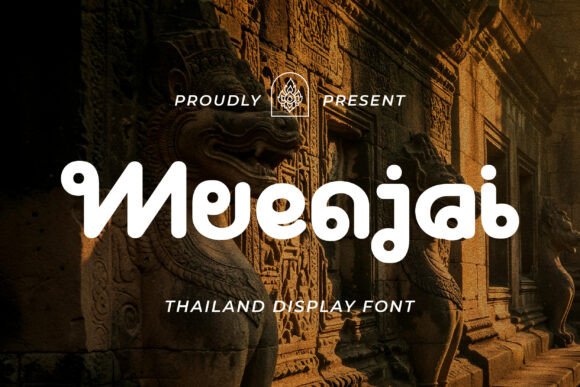
In a visual landscape saturated with generic sans-serifs and recycled motifs, a typeface that carries genuine cultural soul can instantly elevate a project from ordinary to unforgettable. This is precisely where Muenjai enters the conversation. As a unique Thailand-inspired display font, Muenjai blends traditional Thai artistic flow with contemporary decorative typography, offering designers a powerful tool to inject warmth, personality, and an unmistakable sense of place into their work. Its handcrafted character is not merely ornamental; it is a deliberate design choice that communicates authenticity and creative confidence.
Understanding the Cultural Charm of Muenjai
Muenjai's design philosophy is rooted in the elegance of Thai visual aesthetics—think of the graceful curves of temple architecture, the fluid lines of traditional scripts, and the intricate patterns of local textile art. However, it reinterprets these elements through a modern, decorative lens. The letterforms are stylish and expressive, featuring unique details that create a rhythmic, almost artistic, flow. This makes it exceptionally effective for projects where you need to capture attention quickly and convey a specific, culturally rich mood without sacrificing readability in headline contexts.
Why This Font Matters in Modern Design
In graphic design and visual communication, typography is a primary vehicle for brand voice. A font like Muenjai does more than spell out words; it evokes a feeling. For brands seeking to stand out in crowded markets—whether in hospitality, artisanal goods, wellness, or creative services—this typeface offers a direct line to a narrative of craftsmanship and exotic allure. It strengthens brand identity by providing a distinctive visual signature that is difficult to replicate, thereby enhancing user engagement through visual intrigue and emotional resonance.
Practical Applications for Creative Projects
The expressive nature of Muenjai makes it a versatile creative asset across numerous design disciplines. Its primary strength lies in applications where display typography takes center stage, allowing its detailed forms to shine without compromising the clarity of body text.
- Branding and Logo Design: Ideal for creating memorable logos for boutique brands, restaurants, travel agencies, or cultural institutions that want to highlight a Thai or Southeast Asian connection.
- Marketing Materials: Use it for eye-catching headlines on posters, brochures, and digital ads to instantly draw the viewer's eye and communicate the campaign's core aesthetic.
- Social Media Content: In the fast-scrolling environment of platforms like Instagram and Pinterest, Muenjai's unique style can stop thumbs, making it perfect for quotes, promotional graphics, and story headers.
- Packaging Design: For product packaging in the food, beauty, or lifestyle sectors, it can add an artisanal, handcrafted quality that suggests premium ingredients and careful curation.
- Editorial Layouts and Web Design: When used for article titles, pull quotes, or section headers in magazines or websites, it adds a layer of visual interest and breaks the monotony of standard web fonts.
Integrating Muenjai into Your Design Workflow
Successfully incorporating a distinctive display font like Muenjai requires thoughtful application to maintain visual hierarchy and overall design integrity. Here are key considerations for designers:
- Pairing with Simplicity: Balance its decorative detail with clean, neutral sans-serif or serif fonts for body copy. This ensures readability and prevents visual overload, allowing Muenjai to command attention without overwhelming the layout.
- Context is Key: Evaluate if the font's cultural connotations align with your design goals and target audience expectations. It is a powerful choice for specific narratives but may not suit every corporate or minimalist context.
- Scalability and Color: Test its performance at various sizes and against different color palettes. Its intricate details may require careful color contrast to remain legible, especially in digital UI design or small-scale print design applications.
- Brand System Compatibility: Ensure it complements existing brand assets. It should enhance, not clash with, your established imagery, logo, and overall visual language.
Ultimately, the most impactful design choices are those made with intention. Tools like Muenjai are more than just design assets; they are conduits for storytelling. By selecting typography that carries inherent meaning and aesthetic weight, designers and creators can build more compelling brand identities, craft more engaging digital marketing materials, and produce professional presentations that resonate on a deeper level. In the pursuit of modern aesthetics that also feel authentic, thoughtful typographic selection is a cornerstone of effective visual design.